Infusoria
Infusoria
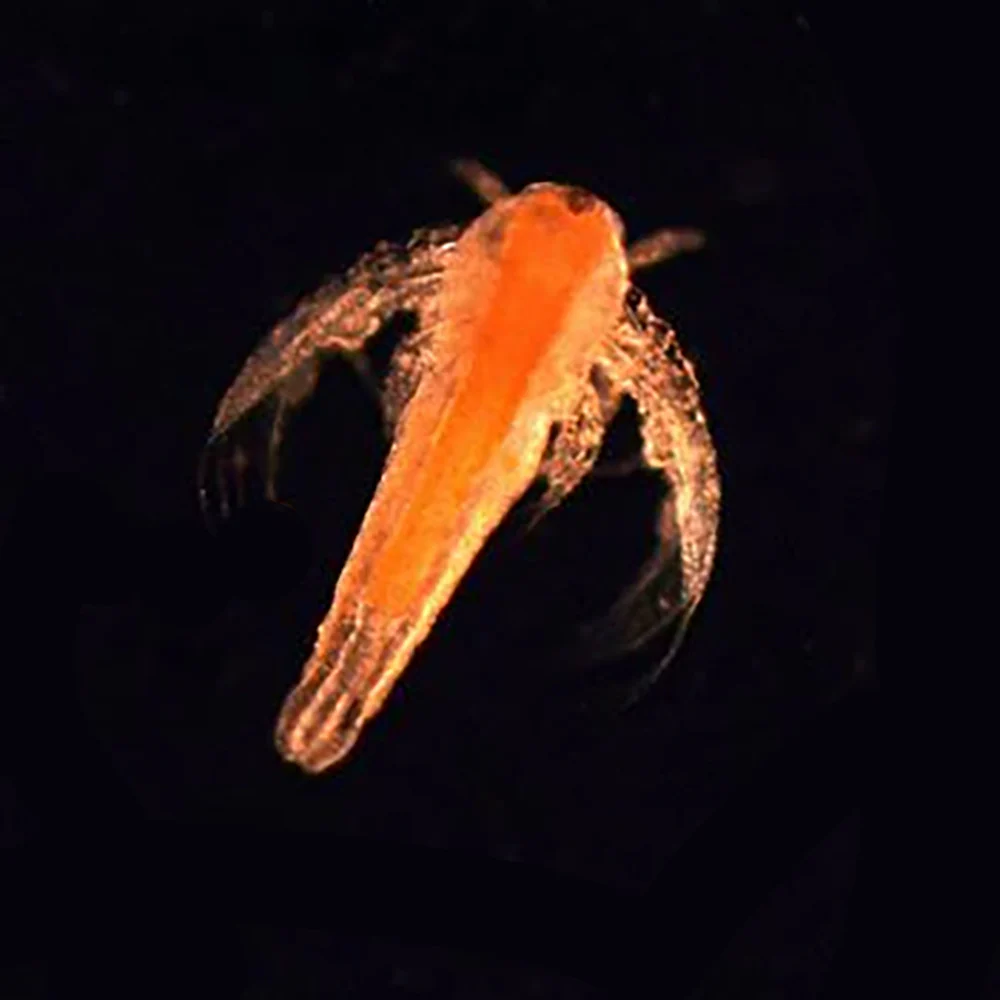
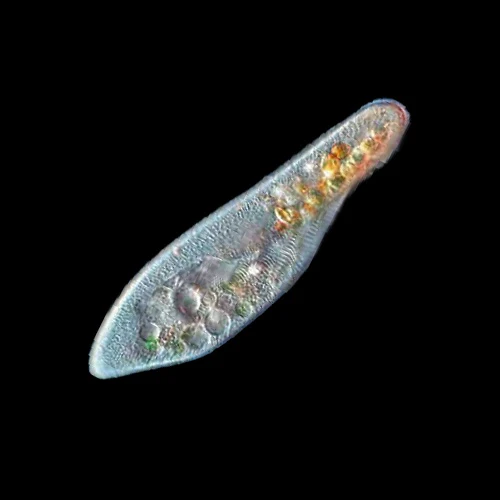
Infusoria is a broad term used to describe microscopic aquatic organisms—primarily protozoans, tiny rotifers, and other single-celled life—that naturally develop in freshwater environments. In aquarium breeding, infusoria serves as one of the earliest and smallest live foods available for newly hatched fry.
What Exactly Is Infusoria?
Rather than referring to a single species, “infusoria” describes a community of microorganisms that flourish in nutrient-rich water. These organisms are small enough for delicate, newly free-swimming fry that cannot yet consume larger live foods like microworms or baby brine shrimp.
Why It’s Important for Fry
1. Extremely Small Size
Infusoria is often the first food small egg-laying fish require, especially species with tiny mouths such as:
-
Tetras
-
Rasboras
-
Gouramis
-
Certain killifish
2. Natural Feeding Response
Because these microorganisms remain suspended in the water column, they are easy for fry to hunt and consume throughout the day.
3. Gentle on Water Quality (When Managed Properly)
When cultured carefully and added in small amounts, infusoria provides nutrition without heavily polluting rearing tanks.
How It’s Cultured
Infusoria cultures are typically started by placing plant matter (such as lettuce or vegetable scraps) in dechlorinated water and allowing natural microorganisms to multiply over several days. As bacteria bloom, protozoans feed on them, creating a dense micro-food source.
Transitioning to Larger Foods
Infusoria is usually used for only a short period—often the first few days after fry become free-swimming. As the fry grow, they are transitioned to:
-
Microworms
-
Vinegar eels
-
Baby brine shrimp
-
Other appropriately sized live feeds
Important Note
Infusoria is primarily a freshwater fry food. It is not typically used in reef aquariums, where marine phytoplankton and zooplankton fulfill similar early-stage feeding roles.
Infusoria remains one of the most fundamental live foods in freshwater fish breeding, providing essential early nutrition during the most fragile stage of development.
Infusoria
Infusoria is a broad term used to describe microscopic aquatic organisms—primarily protozoans, tiny rotifers, and other single-celled life—that naturally develop in freshwater environments. In aquarium breeding, infusoria serves as one of the earliest and smallest live foods available for newly hatched fry.
What Exactly Is Infusoria?
Rather than referring to a single species, “infusoria” describes a community of microorganisms that flourish in nutrient-rich water. These organisms are small enough for delicate, newly free-swimming fry that cannot yet consume larger live foods like microworms or baby brine shrimp.
Why It’s Important for Fry
1. Extremely Small Size
Infusoria is often the first food small egg-laying fish require, especially species with tiny mouths such as:
-
Tetras
-
Rasboras
-
Gouramis
-
Certain killifish
2. Natural Feeding Response
Because these microorganisms remain suspended in the water column, they are easy for fry to hunt and consume throughout the day.
3. Gentle on Water Quality (When Managed Properly)
When cultured carefully and added in small amounts, infusoria provides nutrition without heavily polluting rearing tanks.
How It’s Cultured
Infusoria cultures are typically started by placing plant matter (such as lettuce or vegetable scraps) in dechlorinated water and allowing natural microorganisms to multiply over several days. As bacteria bloom, protozoans feed on them, creating a dense micro-food source.
Transitioning to Larger Foods
Infusoria is usually used for only a short period—often the first few days after fry become free-swimming. As the fry grow, they are transitioned to:
-
Microworms
-
Vinegar eels
-
Baby brine shrimp
-
Other appropriately sized live feeds
Important Note
Infusoria is primarily a freshwater fry food. It is not typically used in reef aquariums, where marine phytoplankton and zooplankton fulfill similar early-stage feeding roles.
Infusoria remains one of the most fundamental live foods in freshwater fish breeding, providing essential early nutrition during the most fragile stage of development.
Original: $10.81
-65%$10.81
$3.78Description
Infusoria
Infusoria is a broad term used to describe microscopic aquatic organisms—primarily protozoans, tiny rotifers, and other single-celled life—that naturally develop in freshwater environments. In aquarium breeding, infusoria serves as one of the earliest and smallest live foods available for newly hatched fry.
What Exactly Is Infusoria?
Rather than referring to a single species, “infusoria” describes a community of microorganisms that flourish in nutrient-rich water. These organisms are small enough for delicate, newly free-swimming fry that cannot yet consume larger live foods like microworms or baby brine shrimp.
Why It’s Important for Fry
1. Extremely Small Size
Infusoria is often the first food small egg-laying fish require, especially species with tiny mouths such as:
-
Tetras
-
Rasboras
-
Gouramis
-
Certain killifish
2. Natural Feeding Response
Because these microorganisms remain suspended in the water column, they are easy for fry to hunt and consume throughout the day.
3. Gentle on Water Quality (When Managed Properly)
When cultured carefully and added in small amounts, infusoria provides nutrition without heavily polluting rearing tanks.
How It’s Cultured
Infusoria cultures are typically started by placing plant matter (such as lettuce or vegetable scraps) in dechlorinated water and allowing natural microorganisms to multiply over several days. As bacteria bloom, protozoans feed on them, creating a dense micro-food source.
Transitioning to Larger Foods
Infusoria is usually used for only a short period—often the first few days after fry become free-swimming. As the fry grow, they are transitioned to:
-
Microworms
-
Vinegar eels
-
Baby brine shrimp
-
Other appropriately sized live feeds
Important Note
Infusoria is primarily a freshwater fry food. It is not typically used in reef aquariums, where marine phytoplankton and zooplankton fulfill similar early-stage feeding roles.
Infusoria remains one of the most fundamental live foods in freshwater fish breeding, providing essential early nutrition during the most fragile stage of development.