
Copepods Tigriopus
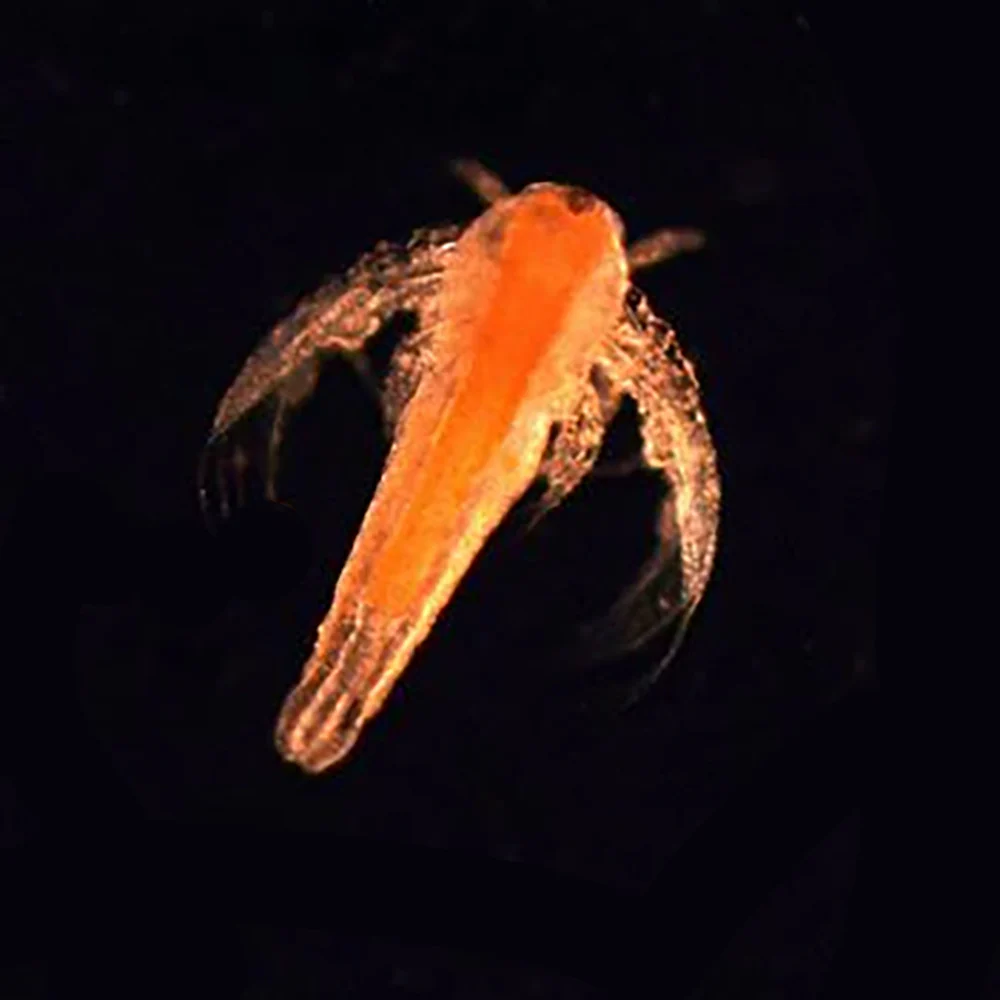
Tigriopus californicus
Often studied in tide pool ecosystems, Tigriopus californicus evolved under intense sunlight, heat, and UV exposure. This background makes it remarkably hardy and adaptable to reef aquariums.
Larger than Tisbe biminiensis, this species can consume bigger pest organisms and serve as food for larger fish. While it reproduces somewhat more slowly, it offers a distinct advantage: high astaxanthin production. Astaxanthin—the red pigment that gives salmon their color—provides natural UV protection and supports color enhancement in fish and corals. Notably, this copepod can convert yellow dietary pigments into red astaxanthin, making it a powerful nutritional enhancer in reef systems.
Tigriopus californicus
Often studied in tide pool ecosystems, Tigriopus californicus evolved under intense sunlight, heat, and UV exposure. This background makes it remarkably hardy and adaptable to reef aquariums.
Larger than Tisbe biminiensis, this species can consume bigger pest organisms and serve as food for larger fish. While it reproduces somewhat more slowly, it offers a distinct advantage: high astaxanthin production. Astaxanthin—the red pigment that gives salmon their color—provides natural UV protection and supports color enhancement in fish and corals. Notably, this copepod can convert yellow dietary pigments into red astaxanthin, making it a powerful nutritional enhancer in reef systems.
Original: $18.02
-65%$18.02
$6.31Description
Tigriopus californicus
Often studied in tide pool ecosystems, Tigriopus californicus evolved under intense sunlight, heat, and UV exposure. This background makes it remarkably hardy and adaptable to reef aquariums.
Larger than Tisbe biminiensis, this species can consume bigger pest organisms and serve as food for larger fish. While it reproduces somewhat more slowly, it offers a distinct advantage: high astaxanthin production. Astaxanthin—the red pigment that gives salmon their color—provides natural UV protection and supports color enhancement in fish and corals. Notably, this copepod can convert yellow dietary pigments into red astaxanthin, making it a powerful nutritional enhancer in reef systems.